When it comes to transporting temperature-sensitive goods, understanding what is a reefer container is and how it differs from a standard refrigerated container is crucial.. While "reefer" and "refrigerated" containers are terms often used interchangeably, they differ in design, function, and application. Understanding these distinctions can help businesses select the most suitable solution for their cargo.
What is a Reefer Container and Where Does the Term Come From?
The word reefer comes from refrigerated container and has been used since the 1960s. By the 1970s, self-powered insulated units became common. Today, the term refers to any container that ensures stable temperature control.
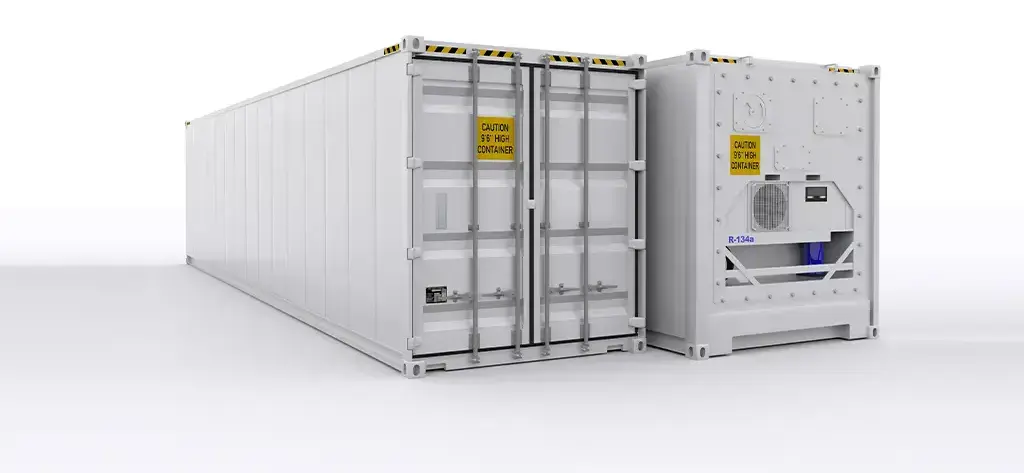
Many businesses ask what is a reefer container: it is a shipping unit for perishable or climate-sensitive goods, equipped with an integrated refrigeration system, insulated walls, ventilation and humidity control, as well as real-time monitoring.
What is a Refrigerated Container?
A refrigerated shipping container, also called a “cold box,” is a modular unit that converts a standard shipping container into cold storage using an external cooling source.
- Temporary or seasonal use
- Flexible on-site cold storage
- Multi-purpose transport needs
Reefer vs. Refrigerated Container: Key Differences
To make the right choice for your cold chain needs, it’s important to understand what is a reefer container and how it differs from a standard refrigerated container.
1. Temperature Control
- Reefer containers: Built-in refrigeration units for precise, continuous temperature control, ideal for maintaining strict environmental conditions regardless of outside temperatures.
- Refrigerated containers: Depend on external cooling systems. While reliable, they are more adaptable for wider and less critical applications.
2. Type of Goods
- Refrigerated containers: Often used for frozen or semi-frozen products like meat, seafood, or processed foods that must remain solid during transport.
- Reefer containers: Best for perishable goods such as fresh produce, dairy, flowers, and pharmaceuticals, where even slight temperature fluctuations affect quality and safety.
3. Design and Construction
- Reefers: Self-contained units with built-in insulation and refrigeration, designed for international shipping and long-distance transport, including real-time condition monitoring.
- Refrigerated containers: Modular design standard containers converted into cold storage with external cooling, making them flexible for short-term use or on-site storage.
4. Power Source
- Reefers: Require continuous external power from vessels, port facilities, or onboard generators.
- Refrigerated containers: Can run on diesel generators or even solar power, offering greater flexibility in remote or off-grid areas.
5. Cost and Flexibility
- Refrigerated containers: Generally more cost-effective due to their simple design and compatibility with standard containers ideal for temporary storage or budget-friendly cold chain solutions.
- Reefers: Though more expensive, they provide highly reliable performance for critical shipments, ensuring goods like pharmaceuticals, fresh produce, and high-value cargo arrive in perfect condition.
How Do Refrigerated Shipping Containers Work?
Refrigeration System Mechanics
The cooling system of a reefer container uses components such as a compressor, evaporator, condenser, and fan units, all integrated into a self-operating loop to regulate internal temperature with high precision.
Reefer containers use electrically powered cooling systems similar to household refrigerators, but on a larger scale. Warm air is drawn in, cooled through a compressor and refrigerant cycle, and recirculated to maintain stable temperatures.
This integrated system is designed to keep cargo at consistent temperatures during long journeys, ensuring cold chain integrity regardless of outside conditions.
Airflow and Temperature Distribution
Cold air flows evenly through floor channels to reach all cargo areas, preventing hot spots and protecting sensitive goods like fruit, flowers, and pharmaceuticals from uneven temperatures.
Smart Monitoring and Control
Modern units include digital systems for precise temperature adjustment and real-time tracking. Remote access and alerts ensure stable conditions, even during long hauls or power interruptions.
Temperature Ranges in Reefer Containers
Modes: Cooling – Freezing – Heating
Reefer units typically maintain temperatures from -30°C to +30°C, making them suitable for fresh, frozen, or heated goods.
Recommended ranges by product type:
- Fresh fruits & vegetables: +2°C to +8°C
- Frozen foods (meat & seafood): -18°C to -25°C
- Pharmaceuticals: +2°C to +8°C
- Chocolate: +15°C to +18°C
- Flowers/plants: +5°C to +10°C
Each cargo type must match the right temperature to avoid spoilage.
Types of Reefer Containers: Sizes, Uses & Technical Specs
Now that we’ve answered what is a reefer container , let’s explore the main sizes available:
- 20 ft Reefer (~28–29 m³): Ideal for smaller loads or ports with limited space.
- 40 ft Reefer (~58–60 m³): Suitable for large-volume cold chain shipments.
- 40 ft High Cube: Same length but taller (9'6”), ideal for bulky or oversized cargo.
Key features: All reefers are insulated, corrosion-resistant, and equipped with T-floor designs to maintain even airflow.
Internal Capacity and Insulation
All reefer containers use insulated walls, corrosion-resistant interiors, and airflow-friendly floor designs (like T-bar) to maintain even temperatures. Capacity varies by size but all are optimized for air circulation
To better understand where reefer containers fit within the broader shipping industry, see our full guide on Types of Containers Used in Shipping.
Non-Operating Reefers (NOR)
A non-operating reefer (NOR) is a reefer container used without activating its cooling system. It carries non-perishable cargo on return trips, lowering repositioning costs while still offering insulation and protection. NORs are often used for textiles, electronics, or general cargo when surplus reefer availability exists.
Power Options for Reefer Containers
Operation depends on cargo, route, and infrastructure:
- Plug-in Electric Power: Common in ports and warehouses for short-term storage.
- Diesel Generators (Clip-on Gensets): Used for road or rail transport to ensure continuous cooling.
- Solar Power: A sustainable backup option, reducing diesel dependency especially useful for reefers without built-in gensets.
When to Choose a Reefer vs. a Refrigerated Container
- Reefers: Best for sensitive goods (pharmaceuticals, dairy, fresh produce, flowers) and long international shipments where strict temperature control is vital.
- Refrigerated containers: More cost-efficient for local transport, frozen goods, short-term use, or budget-sensitive operations.
Can Reefer Containers Be Modified?
Yes. Modifications may include lighting, shelving, or alternative power sources (solar/diesel gensets) to use them as mobile cold storage units. This is practical for long-term storage, remote sites, or specialized goods while maintaining insulation and cooling efficiency.
Best Practices for Using Reefer Containers
- Cargo arrangement: Stack properly to allow airflow; never block ventilation.
- Ventilation: Ensures uniform temperature distribution.
- Unloading: Do it quickly to avoid thermal shock.
- Preventive maintenance: Regular checks avoid mechanical failures in transit.
Verified Gross Mass (VGM): Always declare the accurate container weight (VGM) as required by SOLAS regulations to avoid penalties, delays, or safety risks. Read more about Verified Gross Mass (VGM)
Common Challenges in Reefer Shipping and Solutions
- Temperature fluctuations: Use smart-monitoring containers.
- Customs delays: Work with experienced logistics providers.
- Power outages: Equip with gensets or backup plans.
- Wrong container choice: Match container type to cargo needs early on.
Early solutions protect cargo and minimize financial losses.
ACS Logistics: Your Cold Chain Partner
As a leading Shipping company in Egypt , ACS Logistics understands the complexity of temperature-controlled transport. Whether you need global shipping or on-site cold storage, we offer:
- Customized cold chain solutions
- Access to both reefer and refrigerated containers
- Expert support and regulatory compliance
- Advanced tracking and security systems
At ACS Logistics Co., our sea freight services include full support for both reefer and refrigerated shipments, with global coverage, specialized handling, and real-time tracking.
Contact ACS Logistics Co. today for a smarter, safer, and more reliable cold chain.
FAQs
Can a reefer container be converted into a refrigerated container?
No. Reefer units are built with integrated cooling systems, unlike modular refrigerated containers.
Which option is more cost-effective?
Refrigerated containers are generally cheaper and more versatile for general cold storage needs. However, for high-value, high-risk, or sensitive cargo, investing in a reefer ensures better protection and performance.
What Is a Reefer Container vs. Refrigerated Containers