As global trade faces one of its most dynamic years yet, the ocean freight price increase in 2025 has become a major concern for importers, exporters, and logistics providers worldwide especially in Egypt. With rising fuel costs, shifting trade routes, and mounting geopolitical pressures, understanding why freight rates keep climbing is now essential for every shipping decision. This article breaks down the real reasons behind the surge, the latest market updates, and most importantly how your business can stay competitive despite the global shipping cost wave.
What Does “ Ocean Freight Price Increase ” Really Mean?
As 2025 draws to a close, understanding the ocean freight price increase is crucial for importers, exporters, and logistics providers especially those operating from Egypt.
In simple terms, it refers to the rise in the amount paid by a shipper to transport a container or cargo by sea.
Ocean freight is the base cost agreed upon between a shipper and a carrier to move cargo from one port to another.
An increase means that this cost whether fixed or temporary has gone up due to market, operational, or global factors affecting global ocean freight.
Types of ocean freight price increases
- Seasonal surges: Common before major trade seasons or holidays when demand peaks.
- Spot rate surges: Sudden increases triggered by geopolitical tensions, wars, or major route blockages.
- Index-linked escalations: When long-term contracts are tied to freight indices like Drewry or WCI, adjusting automatically to market shifts.
How ocean freight price increase Calculated in Practice
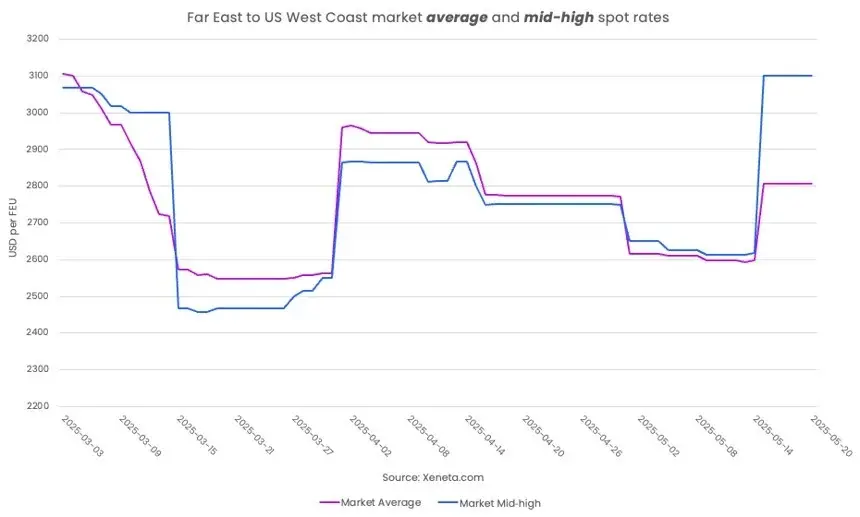
For example, if a 40-ft container contract is set at $1,600 and carriers announce a 20% hike, the new rate becomes $1,920. This increase adds to other logistics-related costs such as inland haulage, port handling, and insurance ultimately impacting the total shipping cost increase 2025 for Egyptian importers and exporters alike. By staying informed about the latest ocean freight news, reviewing an Ocean Freight Rates Chart, and understanding rate structures, freight forwarders can help clients anticipate cost changes and plan shipments more efficiently. To fully understand how these expenses add up, you can also read What Is Included in Ocean Freight Charges, which explains in detail the components behind every shipping invoice.
Key Factors Behind the Ocean Freight Price Increase
To understand why the ocean freight price increase has persisted through late 2025, we need to analyze the intertwined forces shaping the global and Egyptian maritime logistics landscape.
1. Global Supply and Demand Imbalance : When available vessel capacity doesn’t match trade demand, freight rates climb.
In late 2025, data from Drewry’s WCI Index showed rates averaging $1,651 per 40-ft container, reflecting continued imbalance across major routes.
2. Rising Operational Costs (Fuel, Crew, Maintenance) : Bunker fuel remains one of the largest cost components. The surge in oil prices and IMO emission regulations have increased carriers’ expenses, contributing directly to the shipping cost increase 2025.
3. Geopolitical Challenges and Route Diversions : Instability in the Red Sea and Bab el-Mandeb Strait forces vessels to reroute via the Cape of Good Hope — adding 10–14 days and increasing both fuel consumption and insurance premiums. This disruption is part of the broader Red Sea Shipping Crisis 2025 , which continues to reshape trade routes and drive up ocean freight costs across global supply chains.
4. Blank Sailings and Capacity Management :Carriers reduce scheduled sailings to stabilize prices, limiting supply and keeping freight rates high.
5. Container Shortages and Repositioning Costs : Empty container imbalances cause costly repositioning between regions, distorting the ocean freight rate forecast 2025.
6. Seasonal and Peak Demand Periods : Freight demand rises ahead of retail and holiday seasons, creating temporary price spikes.
7. Port Congestion and Delays : Congestion at transshipment hubs like Singapore, Jeddah, and Port Said adds demurrage and detention costs reinforcing the ocean freight price increase trend for Egypt-bound shipments.
By understanding these dynamics, Egyptian freight forwarders can better advise clients, time shipments strategically, and negotiate favorable contract terms amid ongoing ocean freight news.
Ocean Freight Market Updates 2025
By the end of 2025, the ocean freight price increase remains one of the biggest challenges in global logistics.
Analysts warn that rates could reach new highs by Q1 2026 if Red Sea disruptions continue.
Freight rates have already surged 20–40% during Q3, depending on route and cargo type — especially from China to the Middle East and Egypt.
Key Drivers:
- Persistent capacity pressure: Limited vessel availability and longer transit times.
- Higher operational expenses: Rising fuel and insurance premiums.
- Seasonal peak demand: Asian export volumes before holidays keep prices elevated.
While some forecasts suggest temporary easing, long-term relief depends on geopolitical stability and capacity recovery.
For Egyptian freight forwarders, adapting through shipment consolidation, flexible contract negotiation, and active monitoring of ocean freight rate forecasts 2025–2026 is key to maintaining delivery reliability.
New Tariffs Update and the 90-Day Opportunity — What It Means for Exporters
In late 2025, major shipping lines announced New Tariffs Updates, adding higher freight charges but offering a 90-day adjustment window before full implementation.
What This 90-Day Window Means:
- Contract renegotiation: Lock in current rates before new tariffs apply.
- Advance bookings: Secure container space at existing prices.
- Budget forecasting: Plan logistics budgets accurately before adjustments.
For exporters in Egypt and the Middle East, this window is a strategic opportunity to optimize contracts and minimize exposure to future shipping cost increases 2025–2026.
How Shippers Can Cope with the Ocean Freight Price Increase
As freight rates rise, importers and exporters are rethinking logistics strategies to remain competitive.
Practical Approaches:
- Plan shipments early and stagger deliveries to avoid peak-season surges.
- Use alternative or less congested ports like Damietta or Sokhna.
- Secure long-term contracts with stable pricing to reduce volatility.
- Work with transparent freight forwarders offering real-time quotations and no hidden fees.
By combining early planning, smart routing, and reliable partners, Egyptian shippers can maintain profitability despite global challenges. Despite the recent price hikes, sea transport remains a cost-effective and sustainable option — learn more in what are the advantages and disadvantages of sea transport and see why many businesses still prefer it over air or land freight.
ACS Logistics Co. — The Smart Way to Handle Rising Ocean Freight Costs
Amid the ongoing ocean freight price increase, choosing the right logistics partner makes all the difference.
At ACS Logistics Co., we provide comprehensive Ocean Freight Services designed to help importers and exporters across Egypt and the Middle East ship smarter — not costlier.
- Instant freight quotations without registration
- Transparent pricing and direct rate visibility
- Fast response times for routes from Alexandria, Damietta, and Sokhna
- Support for both FCL and LCL shipments
Whether you’re managing one container or an entire supply chain, our Ocean Freight Services give you the clarity, speed, and cost control you need to stay competitive in today’s market.
Request a Shipping Quote now — and see how much you can save on your next ocean freight booking with ACS Logistics Co.
FAQ
How often do ocean freight prices change in 2025?
Ocean freight prices can fluctuate weekly or even daily in 2025 due to changing bunker fuel costs, vessel availability, and shifting trade routes. Many carriers now use dynamic pricing tools that update rates in real time, especially for short-term spot bookings.
Will the ocean freight price increase affect small businesses more than large corporations?
Yes. Small and medium importers often lack long-term contracts or volume discounts, making them more exposed to sudden rate hikes. Larger shippers, however, can negotiate fixed-rate agreements that help stabilize shipping costs despite the 2025 freight market volatility.
How does the ocean freight rate forecast 2025 differ from 2024?
Unlike 2024, where price increases were mostly seasonal, 2025 is seeing structural cost pressure due to geopolitical instability and environmental regulations. Analysts expect rates to remain high through early 2026 unless the Red Sea routes reopen fully.
Can digital freight platforms help reduce the shipping cost increase 2025?
Absolutely. Digital freight tools and real-time quotation systems allow shippers to compare rates instantly, book earlier, and avoid hidden surcharges — helping offset the ocean freight price increase and improve logistics cost planning.
Global Ocean Freight Price Increase 2025 : What’s Next?