Amid the Red Sea shipping crisis 2025 , which has disrupted global trade routes and reshaped the future of maritime transport, freight forwarders and importers face unprecedented challenges. With rising costs, longer transit times, and major rerouting away from the Suez Canal, success now depends on adaptability and smart logistics planning. In this article, discover how Egyptian shipping companies can turn this global disruption into a powerful opportunity for growth and competitive advantage.
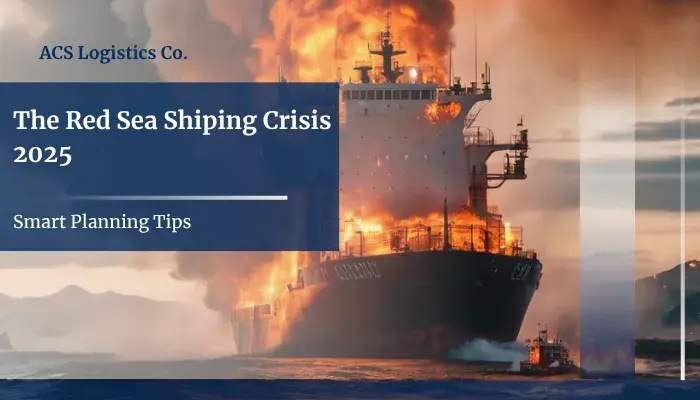
Red Sea Shipping Crisis 2025: Understanding the Current Situation
The red sea shipping crisis 2025 has reshaped global trade routes, especially for freight forwarding companies operating from Egypt. Since late 2023, continuous disruptions in the Red Sea have caused major shipping lines to reroute vessels around the Cape of Good Hope, leading to longer transit times and higher costs. This shift has directly impacted logistics planning and freight rates across Asia–Europe trade lanes.
Key developments:
- Average transit times from Asia to Europe have increased by more than 35%.
- Vessel traffic through the Suez Canal has seen a sharp decline since early 2024.
- Freight forwarders are adopting flexible route planning and multi-modal transport options to minimize delays.
For Egyptian freight forwarders managing shipments from China to Alexandria or Damietta, planning ahead with alternative routes and adjusting delivery schedules has become essential. Partnering with reliable global carriers and staying updated with the Red sea shipping crisis 2025 summary helps ensure smoother operations and reduce unexpected surcharges.
Strategic Importance of the Red Sea Shipping Crisis 2025 for Egypt and Global Trade
The red sea shipping crisis 2025 has highlighted just how crucial the Red Sea is for both Egypt and international logistics. As a vital link between Asia and Europe through the Suez Canal, this route handles over 12% of global trade, placing Egypt at the center of global supply chains. The stability of this maritime corridor directly affects freight costs, delivery timelines, and the availability of goods across continents.
Key facts:
- The Suez Canal remains one of Egypt’s top sources of foreign currency.
- Rerouting vessels around Africa has increased operational costs by up to 40%.
- Maintaining security and efficiency in this corridor is critical for the global economy.
For freight forwarders in Egypt, especially those managing exports from Alexandria or Damietta to European ports, understanding these dynamics is essential. Keeping track of Red sea shipping crisis 2025 summary reports helps anticipate delays and optimize shipping schedules, ensuring competitive service despite global disruptions.
To explore Egypt’s key maritime gateways that play a vital role in this trade, visit our full [Egypt sea port list], covering major ports like Alexandria and Damietta with their UN/LOCODE identifiers.
Impact of the Red Sea Shipping Crisis 2025 on Freight Costs and Transit Schedules
The red sea shipping crisis 2025 has led to significant disruptions in global maritime logistics, driving up freight rates and extending delivery timelines. With many vessels diverting through the Cape of Good Hope instead of the Suez Canal, both time and operational expenses have surged for shipping companies and importers alike.
Key insights:
- Shipping costs between China and Alexandria have increased by 25–40% on average.
- Transit time from Asia to the Mediterranean rose from 22 days to over 34 days.
- Supply chain predictability remains low due to ongoing rerouting and port congestion.
For freight forwarders and logistics companies in Egypt, these changes underscore the need for proactive shipment planning. By following Red sea shipping crisis 2025 summary updates and coordinating early with carriers, businesses can secure better rates and minimize delivery delays—maintaining client trust even amid global instability.
To better understand the cost structure of maritime transport, you can explore our detailed guide on [what is included in ocean freight charges], which breaks down the key elements affecting your total shipping expenses
Alternative Shipping Routes : Is the Cape of Good Hope the New Normal?
The red sea shipping crisis 2025 has forced global shipping lines to rethink traditional routes, with many vessels now detouring around the Cape of Good Hope to avoid disruptions in the Red Sea. While this route ensures safer navigation, it comes at a significant operational cost that directly impacts freight rates and delivery timelines.
- Fuel consumption has increased by up to 35%, adding pressure to shipping margins.
- Insurance premiums for vessels have surged due to longer voyages and higher risk exposure.
- These factors collectively raise the landed cost of imported goods for Egyptian importers and logistics firms.
For Egyptian freight forwarders and exporters, closely following Red sea shipping crisis 2025 summary reports can help them anticipate cost fluctuations, adjust delivery schedules, and offer smarter routing solutions to clients looking to balance safety, speed, and cost efficiency.
When evaluating these options, it’s also essential to understand the [incoterms for sea shipment], which define responsibilities and risks between buyers and sellers during international transport
Impact of the Crisis on Egypt’s Economy and the Growing Need for Reliable Sea Freight Service
The red sea shipping crisis 2025 has reshaped Egypt’s trade and logistics landscape, revealing the crucial role of dependable sea freight services in keeping supply chains moving. The disruption has not only slowed global trade but also redefined how importers and logistics companies in Egypt operate.
- Reduced Suez Canal Activity: With many vessels rerouted around the Cape of Good Hope, Egypt experienced a noticeable decline in Suez Canal traffic — affecting trade flow and creating higher demand for efficient freight coordination.
- Longer Shipping Times: Importers moving goods from Asia to Egyptian ports such as Alexandria and Damietta are facing extended transit schedules, highlighting the importance of strategic freight planning and flexible routing.
- Higher Freight and Insurance Costs: The extended routes and added risks have led to surging shipping expenses, making it vital for importers to partner with logistics providers offering optimized routes and cost control strategies.
- Local Market Impact: Delays in cargo arrivals have disrupted product availability and increased costs in Egyptian markets — a challenge that smart logistics solutions can help overcome through faster, well-coordinated sea freight operations.
In this environment, businesses across Egypt are increasingly turning to specialized sea freight services that offer real-time tracking, transparent pricing, and strong carrier partnerships ensuring goods arrive safely, efficiently, and on schedule despite global instability.
For importers looking to streamline their logistics, explore our guide on the [sea freight documentation process] to better understand the paperwork and procedures that ensure smooth customs clearance and timely cargo delivery.
How Governments and Global Shipping Lines Are Responding to the Red Sea Shipping Crisis 2025
In response to the red sea shipping crisis 2025, governments and major shipping companies have intensified collaboration to safeguard global trade routes and stabilize supply chains. International bodies like the IMO are coordinating joint naval patrols to secure commercial vessels, while regional ports are being upgraded to handle diverted traffic efficiently.
Shipping alliances are rerouting fleets through safer maritime corridors and investing in digital tracking systems to improve voyage visibility and risk management. Meanwhile, Gulf and East Mediterranean ports are emerging as strategic alternatives to Red Sea routes.
For Egyptian freight forwarders, following Red sea shipping crisis 2025 summary updates can help anticipate regulatory changes, identify new regional transshipment hubs, and align with carriers adopting resilient logistics models that ensure uninterrupted cargo flow to and from Egypt.
Emerging Supply Chain Trends After the Red Sea Shipping Crisis 2025
The Red Sea shipping crisis 2025 has reshaped how global logistics operate, pushing companies to adopt more flexible and diversified transport strategies.
Key Developments and Insights:
- Shift Toward Multimodal Transport:
Businesses are increasingly combining sea, land, and air transport to maintain business continuity and reduce risks from regional disruptions. - Enhanced Regional Corridors:
Middle Eastern countries are investing in inland transport routes and cross-border logistics networks to avoid congested or high-risk maritime areas. - Opportunities for Egyptian Companies:
- Strengthening cooperation with regional logistics hubs in neighboring countries like Saudi Arabia and Jordan.
- Leveraging improved land and sea connectivity for faster, more reliable distribution.
- Modernizing freight operations to meet evolving global supply chain standards.
- Strategic Advantage Through Information:
Staying updated on Red Sea shipping crisis developments allows Egyptian freight forwarders to anticipate market changes and offer resilient, cost-effective solutions.
How to Navigate the Current Shipping Market
In the aftermath of the red sea shipping crisis 2025, global trade routes have become increasingly unpredictable forcing logistics companies and importers to rethink every stage of their shipping process. For Egyptian freight forwarders, success now depends on flexibility, proactive planning, and the ability to adapt quickly to changing maritime conditions.
Here are key recommendations to help you stay ahead in today’s challenging market:
- Diversify your sea freight service network by working with several reliable carriers and logistics partners to reduce dependency on a single route or provider.
- Add buffer time to all shipments, ideally 15–20 days, to counter unexpected port congestion or detours around high-risk zones.
- Explore multimodal options, integrating sea, road, and air transport to maintain delivery speed for urgent cargo.
- Negotiate flexible shipping contracts such as short-term or spot agreements that let you benefit from changing market rates.
- Leverage digital tools for real-time tracking, predictive analytics, and automatic alerts on route changes or weather disruptions.
- Consolidate smaller loads into full container shipments (FCL) where possible to lower per-unit shipping costs.
- Engage experienced freight intermediaries who can provide customized route planning, customs clearance support, and port-to-door logistics in Egypt and abroad.
- Review supply chain insurance policies to ensure coverage for extended transit times, piracy risks, and rerouted voyages.
- Stay informed through trusted Red sea shipping crisis 2025 summary updates to anticipate shifts in freight capacity and adjust strategies accordingly.
- Communicate regularly with your suppliers and customers to align expectations, minimize delays, and maintain strong business relationships.
By combining foresight, digital innovation, and trusted logistics partnerships, Egyptian companies can not only withstand current market pressures but also turn disruption into a competitive advantage.
Future of Red Sea Shipping in 2025: Signs of Recovery Ahead?
The red sea shipping crisis 2025 continues to shape global trade routes, and while a full recovery may take time, companies that adopt flexible logistics strategies are already gaining a competitive edge. For Egyptian importers and freight forwarders, adapting early to these market shifts can unlock new trade opportunities across Asia, Europe, and the Middle East.
Key Recommendations for Egyptian Businesses:
- Partner with diversified freight forwarders who maintain broad networks across multiple regions to ensure shipment continuity during disruptions.
- Negotiate flexible spot contracts instead of long-term annual agreements to benefit from fluctuating freight rates and dynamic capacity.
- Monitor global market updates through Red sea shipping crisis 2025 summary reports to stay ahead of pricing and routing changes.
- Invest in adaptive planning, ensuring your logistics operations can respond quickly to emerging supply chain trends in 2025.
This proactive approach allows Egyptian shipping companies to navigate uncertainty and build resilience in the evolving global logistics landscape.
How Our Sea Freight Service Helps You Overcome the Red Sea Shipping Crisis 2025
Amid the ongoing red sea shipping crisis 2025, our company provides reliable sea freight solutions designed to keep your cargo moving safely and efficiently. As a trusted logistics partner based in Egypt, we combine flexible planning, real-time tracking, and strong partnerships with leading global carriers to help you overcome shipping disruptions and control costs.
Here’s how we support your business:
- Flexible sea freight plans connecting Asia, the Gulf, and Egypt through optimized multimodal routes.
- Direct shipping and tracking from your supplier to Egyptian ports—ensuring speed, visibility, and reliability.
- 24/7 logistics support to modify routes or schedules quickly in response to global market changes.
Take action today Contact us to discuss the best sea freight solutions for your next shipment. With insights from Red sea shipping crisis 2025 summary updates, we help you stay ahead, minimize delays, and keep your trade flow strong throughout 2025.
Smart Planning Tips for the Red Sea Shipping Crisis 2025