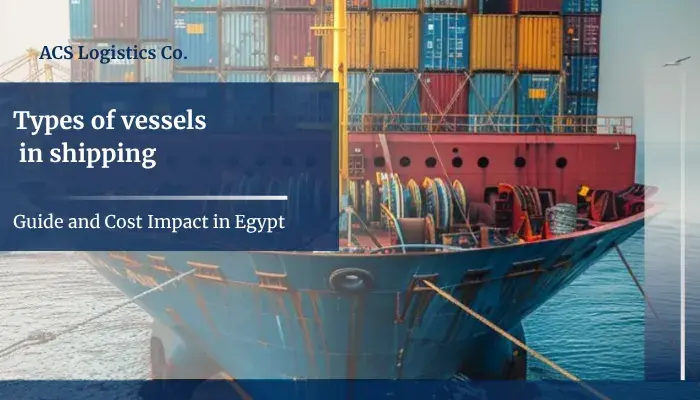
The types of vessels in shipping form the backbone of international logistics, connecting ports and markets worldwide. A vessel in maritime transport simply refers to any floating structure designed to carry goods or passengers across the sea. Understanding vessel type meaning is crucial for importers and exporters to choose the most efficient and cost-effective shipping solution.
3 Key Vessel Categories
- Commercial vessels: These carry different types of cargo, from containers and bulk materials to oil and gas.
- Passenger vessels: Designed to transport people, such as ferries and cruise ships.
- Service vessels: Include tugboats, dredgers, and supply ships supporting port and offshore operations.
Example:
A logistics company in Egypt shipping electronics from China to Alexandria Port would typically use a container vessel due to its safety, capacity, and regular sailing schedules.
Always confirm the vessel type with your freight forwarder; choosing the wrong one can increase costs or delay delivery. Understanding vessel types and sizes helps Egyptian importers plan smarter and reduce overall logistics risks.
The most common 10 Types of vessels in shipping include :

1- Container Ships: The Backbone of Global Trade
Among the types of vessels in shipping, container ships are the most common and versatile. These vessels are designed to carry standardized containers (20ft and 40ft), making loading, unloading, and intermodal transport efficient across ports worldwide. Their structure allows stacking thousands of containers while maintaining stability and speed during long voyages.
Key Features:
- Suitable for general goods, electronics, textiles, and machinery.
- Operate on fixed routes between major ports with scheduled sailings.
- Available in different vessel types and sizes — from Feeder (small, 1,000 TEU) to Ultra Large Container Vessels (over 20,000 TEU).
For Egyptian importers moving electronics from China to Alexandria Port, container ships offer the most reliable and economical option. Selecting the appropriate container size and vessel class can shorten transit times, reduce freight rates, and simplify customs procedures — key advantages for maintaining competitive supply chains in Egypt’s growing trade market..
Choosing the right container size and vessel class not only affects transit time and cost but also interacts with contractual terms. Learn more about Incoterms for Sea Shipment to plan your logistics efficiently.
2- General Cargo Ships: Flexible Vessels for Mixed Shipments
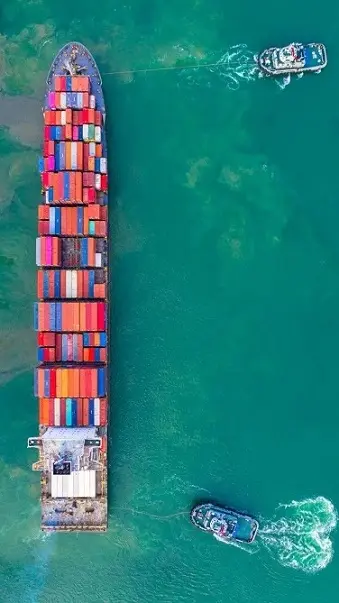
Within the types of vessels in shipping, general cargo ships are designed to carry goods that cannot fit into containers. They transport items of irregular size, packaged units, or machinery that require manual or crane-assisted loading. Their design includes multiple cargo holds, offering flexibility for different kinds of freight.
Key Features:
- Handle bagged cargo, pallets, or heavy industrial equipment.
- Often equipped with onboard cranes for independent loading/unloading.
- Operate efficiently in small or medium ports with limited infrastructure.
Understanding how cargo is handled on general cargo vessels or container ships is crucial for Egyptian importers to minimize delays and damage. For a detailed guide, see Cargo Loading and Unloading Procedure in Ships.
For Egyptian companies importing construction equipment from Europe, general cargo vessels are ideal because they can dock easily at ports like Damietta or Port Said. Understanding vessel types and sizes helps match the cargo’s physical dimensions with the right ship, minimizing handling costs and port delays.
3- Bulk Carriers: Essential for Raw Material Transport
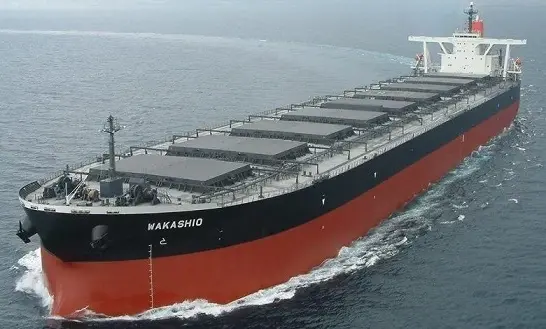
Among the 10 types of vessels, bulk carriers are used to transport unpackaged commodities in large quantities such as coal, wheat, or iron ore. These vessels have massive storage spaces divided into cargo holds that can carry dry bulk efficiently and safely.
Key Features:
- Built for maximum capacity and structural strength.
- Load and discharge via specialized port equipment or onboard gear.
- Categories include Handysize, Panamax, and Capesize, based on tonnage and port access.
Egypt regularly imports grain and fertilizers using bulk carriers arriving at Alexandria and Abu Qir ports. Choosing the correct bulk vessel class ensures lower freight per ton and smooth unloading vital for importers managing high-volume raw materials.
4- Oil Tankers: Transporting the World’s Energy
Oil tankers are one of the most specialized types of vessels in shipping and their functions revolve around moving crude oil, refined fuels, and chemicals safely across seas. Their design includes double hulls and compartmentalized tanks to prevent spills and contamination. These vessels operate under strict safety and environmental regulations. Understanding the IMO Class List helps importers and logistics planners comply with international maritime standards.
Key Features:
- Divided into categories: Aframax, Suezmax, VLCC, and ULCC.
- Operates under strict IMO safety and environmental standards.
- Use advanced pumping and inert gas systems for cargo handling.
For Egypt, strategically located near the Suez Canal, oil tankers play a critical role in regional trade. Understanding vessel type meaning helps logistics planners coordinate energy imports and exports efficiently while maintaining compliance with safety regulations.
5- LNG/LPG Carriers: High-Tech Vessels for Gas Transport
Gas carriers are highly specialized ships designed to transport liquefied natural gas (LNG) or liquefied petroleum gas (LPG) under controlled pressure and temperature. Their complex systems keep gas in a liquid state to optimize space and safety.
Key Features:
- Equipped with insulated tanks maintaining −160°C for LNG.
- Include advanced safety and venting systems.
- Usually chartered for long-term contracts in the energy sector.
Egypt’s growing LNG export capacity from Idku and Damietta terminals depends on these vessels. Partnering with a freight forwarder familiar with different types of vessels with pictures of gas carriers ensures proper route planning, safety compliance, and loading coordination.
6- Ro-Ro Ships: Designed for Rolling Cargo
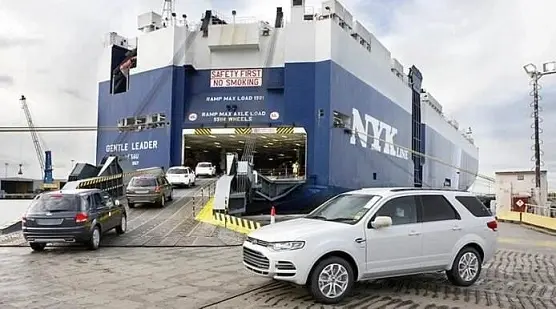
Ro-Ro (Roll-on/Roll-off) ships are used for vehicles, trucks, and heavy machinery that can be driven directly onto and off the vessel using ramps. This design speeds up port operations and reduces handling damage.
Key Features:
- Ideal for automotive and machinery logistics.
- Include multiple decks and internal ramps.
- Operate on fixed trade routes for efficiency.
Egyptian importers of cars or industrial machines from Europe often rely on Ro-Ro ships docking at Port Said or Alexandria. Understanding how many types of vessels are there helps importers select the best option for high-value or mobile cargo, ensuring faster customs release and lower insurance risks.
7- Reefer Ships: Maintaining Cold Chain Integrity
Reefer ships are specialized vessels equipped with refrigeration systems for transporting perishable goods such as fruits, vegetables, meat, and pharmaceuticals. They maintain strict temperature control throughout the voyage.
Key Features:
- Maintain cargo temperatures between −25°C and +15°C.
Some carry containers with independent cooling systems. - Used widely in food and pharmaceutical logistics.
For Egyptian businesses importing frozen food from Europe or exporting citrus to the Gulf, reefer vessels are essential. Partnering with an experienced freight forwarder who understands vessel types and sizes ensures temperature consistency and compliance with international cold chain standards.
8- Multipurpose Vessels: The All-Rounder Solution
Multipurpose vessels (MPVs) combine the capabilities of general cargo and container ships. They can carry mixed loads—containers, bulk, and oversized cargo, making them a practical option for versatile trade routes.
Key Features:
- Adaptable cargo holds for different cargo forms.
- Suitable for regions with diverse import/export needs.
- Offer flexibility in port choice and load configuration.
Egyptian freight forwarders shipping both containerized goods and project cargo from Asia to Port Said often use MPVs to optimize space and cost. Choosing such hybrid ships provides a balance between efficiency and flexibility ideal for dynamic trade routes connecting Egypt with multiple regions.
size and vessel class can shorten transit times, reduce freight rates, and simplify customs procedures key advantages for maintaining competitive supply chains in Egypt’s growing trade market.
9- Livestock Carriers: Ensuring Animal Welfare at Sea
Among the types of vessels in shipping, livestock carriers serve a unique purpose — transporting live animals such as cattle, sheep, or goats safely across international waters. These vessels are equipped with advanced ventilation systems, continuous feeding and watering setups, and strict waste management to maintain hygiene and comfort throughout the voyage.
Key Features:
- Climate-controlled ventilation to ensure animal welfare.
- Specialized storage and feeding facilities for long-distance routes.
- Used widely in Gulf and North African livestock trade.
- Heavy-Lift Cargo Vessels: Powering Egypt’s Industrial Imports
10- Heavy-lift cargo vessels are specialized ships
built to handle oversized or extremely heavy loads such as turbines, cranes, or entire factory units. These vessels feature reinforced decks and high-capacity cranes, enabling them to load and discharge cargo that standard ships cannot manage.
Key Features:
- Ideal for turbines, construction machinery, and energy infrastructure.
- Equipped with onboard cranes for self-loading operations.
- Essential for Egypt’s industrial and construction projects.
Practical Comparison for Egyptian Traders
Knowing the types of vessels in shipping helps Egyptian businesses move goods efficiently across global routes. Each ship type is designed for specific cargo needs from containers and bulk materials to fuel and gas making the right choice essential for cost and time optimization. The table below highlights how each vessel supports Egypt’s main trade operations.
Vessel Type | Cargo Type | Approx. Capacity | Suitable Egyptian Ports | Example |
Container Ship | Packed goods, electronics, textiles | Up to 20,000 TEU | Ain Sokhna – Alexandria | Shipments from China to Egypt |
Bulk Carrier | Grains, cement, coal, raw materials | 40,000–200,000 DWT | Damietta – Safaga | Wheat import for Egyptian mills |
Tanker | Crude oil, fuels, and chemicals | Varies by cargo type | Suez – Alexandria | Oil tankers supplying refineries |
For instance, an importer shipping electronics from Shenzhen to Alexandria benefits from using container vessels because they ensure faster delivery, safer handling, and scheduled routes through major vessel types and sizes. Always confirm the vessel specifications with your freight agent before booking. Choosing the right ship type can help you save on port handling fees and avoid delays at Egyptian terminals.
Selecting the right port for your cargo impacts handling efficiency and inland transportation. For a comprehensive overview, see Difference Between Dry Port and Sea Port.
Key Types of Vessels in Shipping for Egypt’s Trade with China, Europe, and the Gulf
In Egypt’s maritime trade, the types of vessels in shipping depend on cargo type and trade destination. Each route serves specific logistics needs, ensuring the smooth flow of imports and exports across major global markets.
- China & Europe Routes: Mainly use container ships to transport finished goods, electronics, and industrial machinery efficiently.
- Gulf Routes: Rely on oil tankers, gas carriers, and bulk vessels for energy resources and raw materials.
- Egyptian Ports: Key hubs like Alexandria, Damietta, and Sokhna handle diverse vessel types and sizes, connecting Asia, Africa, and Europe.
- Major Shipping Lines: Global carriers such as Maersk, COSCO, and Hapag-Lloyd operate regular services with optimized schedules and competitive freight rates.
Cost and Speed Comparison Between Vessel Types for Egyptian Traders
Not all vessels are created equal, understanding the balance between cost and transit time is essential for Egyptian importers when choosing the right shipping option. The following table provides a practical comparison between the main vessel types commonly used in global and Egyptian trade routes.
Vessel Type | Approximate Cost per Unit | Speed / Transit Time | Potential Challenges in Egypt |
Large Container Ship | Low per unit for high volumes | Medium to high | May not access all Egyptian ports; higher inland transport costs |
Small Multipurpose Vessel | Higher cost per unit | Often slower | Greater flexibility, but more expensive overall |
Bulk Carrier | Cost-effective for large bulk cargo | Depends on trade route | Unloading delays; port infrastructure requirements |
Ro-Ro (Roll-on/Roll-off) | Competitive for vehicles | Relatively fast | Limited number of Ro-Ro–ready Egyptian ports |
Heavy-Lift Vessel | High, specialized cost | Depends on cargo complexity | High risk, possible delays, extra handling expenses |
Challenges and Solutions When Choosing Types of Vessels in Shipping in Egypt
Selecting the right vessel is one of the biggest challenges Egyptian traders face when planning international shipments. Each vessel type comes with unique operational, cost, and timing considerations that directly affect supply chain efficiency. Understanding vessel types and sizes helps importers and exporters avoid costly mistakes and delays.
Key Challenges:
- Limited availability of specialized ships during peak seasons.
- Mismatched vessel type with cargo requirements, leading to higher freight rates.
- Port congestion or unsuitable infrastructure for large ships.
Partner with an experienced freight forwarder who can match your cargo with the most suitable ship type and schedule. For example, choosing a container ship instead of a bulk carrier for mixed goods from China to Alexandria can reduce handling time and customs issues. Working with a reliable logistics company in Egypt ensures optimized routing, transparent pricing, and smoother port operations. If you’re looking for a trusted Ocean Freight Services in Egypt, our company offers door-to-port and port-to-door solutions from China, Europe, and the Gulf — with clear pricing, professional handling, and reliable sailing schedules.
👉 Contact us today to get a tailored sea freight quote that matches your cargo type and shipping route.
FAQ
What is type 3 cargo?
Type 3 cargo refers to flammable liquids with low fire risk under maritime transport regulations. It includes chemicals or fuels that are less hazardous than Type 1 or Type 2. Proper packaging and ventilation are required to ensure safety during shipping.
What is a PCC vessel?
A PCC (Pure Car Carrier) vessel is a specialized ship designed exclusively for transporting vehicles such as cars, trucks, or buses. It features multiple decks and ramps, allowing vehicles to be driven on and off efficiently. PCCs are widely used for automotive imports and exports.
What is a box ship?
A box ship, also known as a container ship, is designed to carry standardized cargo containers (20ft or 40ft). It enables efficient loading, unloading, and intermodal transport across ports. Box ships are the backbone of global trade, ideal for electronics, textiles, and general merchandise.
Types of vessels in shipping